Non‑Pharmacological Pain Relief
Nonpharmacologic pain management during labor is supportive care provided that does not include any pain relief medications like an epidural.
Explore the options ↓Examples of nonpharmacologic pain interventions include:
These techniques can be individualized to each patient to achieve a state of relaxation and pain relief.
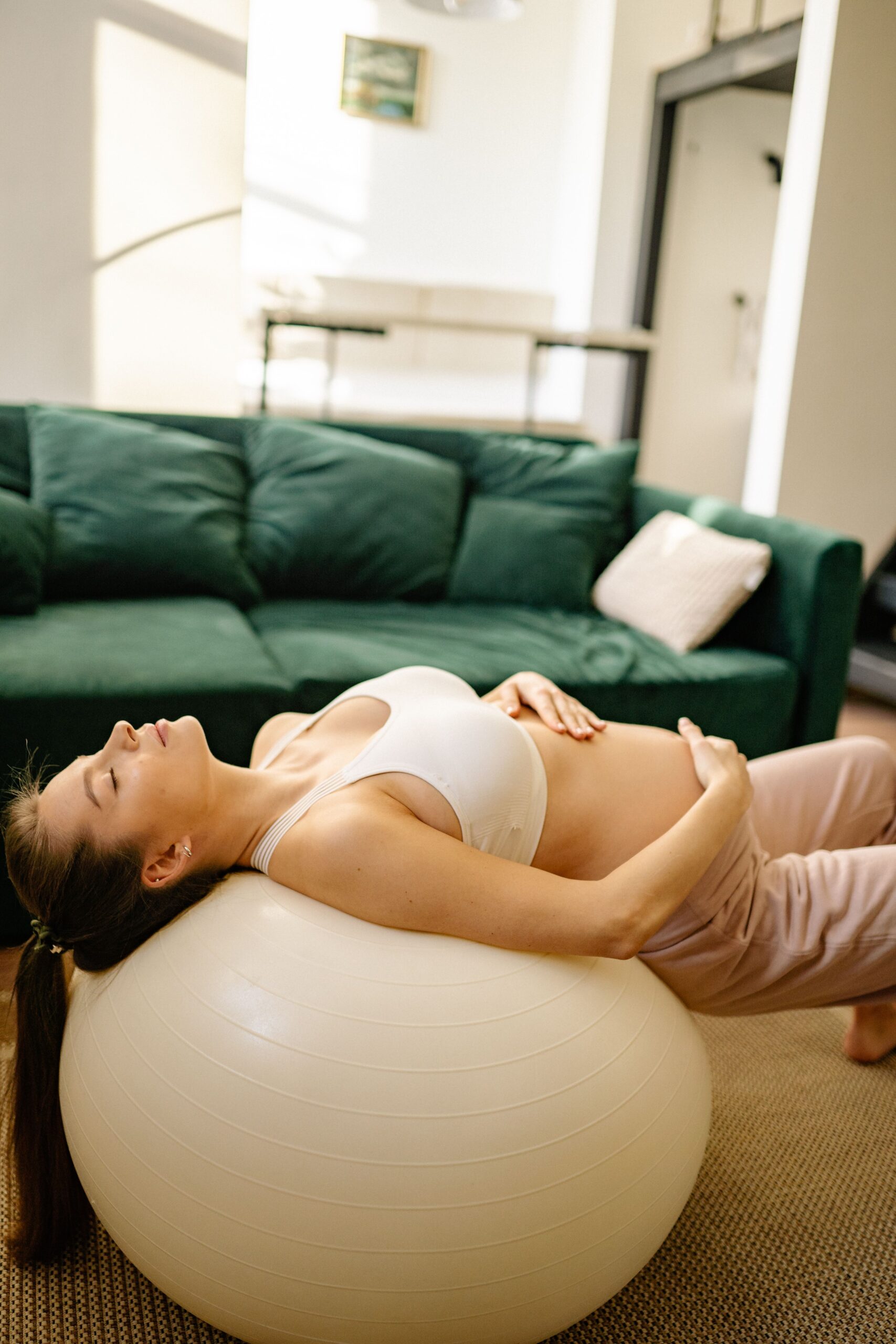
Birthing Balls & Patient Positioning
In vaginal deliveries the mother’s position can impact the ease of delivery. With a birthing ball the mother is able to sit while rotating, rocking, and bouncing to promote comfortable mobility.
In a 2025 meta analysis of randomized trials the use of a birthing ball was shown to reduce cesarean rates, improve pain scores, and reduce the first stage of labor by approximately 130 minutes (Terres et al., 2025).
Birthing balls are also reusable allowing the hospital to save on supply costs because they can be disinfected and used again for future patients.
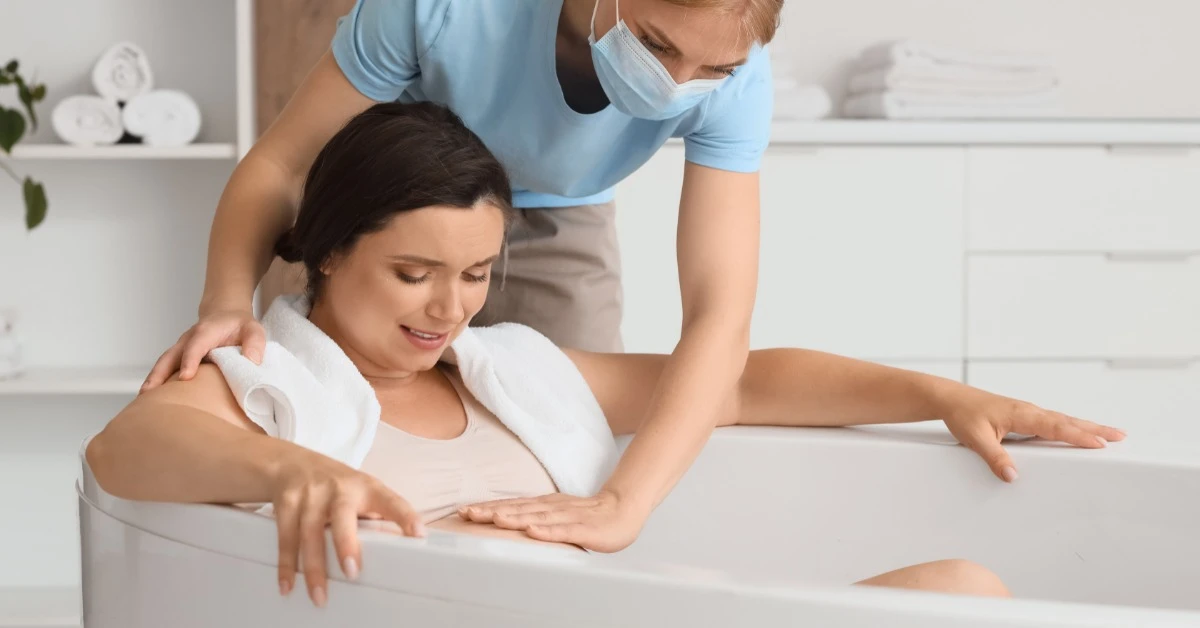
Hydrotherapy
Hydrotherapy assisted labors include the use of warm immersive baths or showers to promote relaxation and reduce the pain perception of birthing mothers. In baths the water helps support the mother’s weight, relieving back pain and allowing her to move positions easier on her own. The heat from the water also relaxes tense muscles.
A 2024 systematic review found that although there was no difference in labor duration with hydrotherapy, there was a decrease in pain felt by the mother making the experience more comfortable (Ergin et al., 2024).
Many hospitals are now equipped with labor tubs in the patient’s room. Other associated needs include water, supervision, and clean up. With increased pain management there is a decreased need for pain medications.
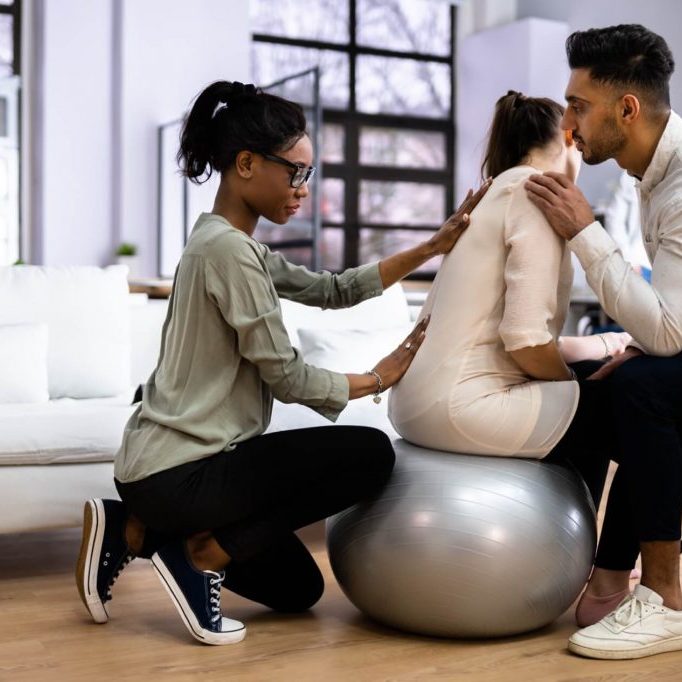
Labor Support
A labor support person or doula cares for the mother’s physical and emotional state during delivery. A doula is trained to assist with breathing exercises, massage, and can help change frequent positions to increase mobility during labor. Apart from physical care a doula can also provide encouragement and advocate for the mother.
A randomized study showed that a cesarean delivery only occurred with 17.5% of patients with a doula compared to 23.6% of patients without one (Dias et al., 2025).
Labor support requires fewer physical supplies and focuses more on presence and undivided attention towards the mother.
Nurses are able to promote care for laboring patients by educating on comfortable positions, guiding effective breathing, and providing calming support throughout their experience.
Costs associated with labor heavily depend on the staff present, equipment needed, and potential complications that may lead to increased cesarean deliveries. Although nonpharmacologic care can reduce disposable supplies and medication associated costs, there can be an increase in hands-on support provided by nurses or support personnel that influence the time spent in the room.
Overall, techniques like birthing balls, hydrotherapy, and doula support have great potential to improve comfort, reduce labor time, and lower cesarean rates, but should never delay treatment or withhold medication when requested.