Epidural Analgesia
An epidural is regional analgesia used to relieve pain during labor.
Explore epidurals ↓
Pain relief usually begins within 10-20 minutes.
The most common complication, and it can compromise placental perfusion in obstetric patients.
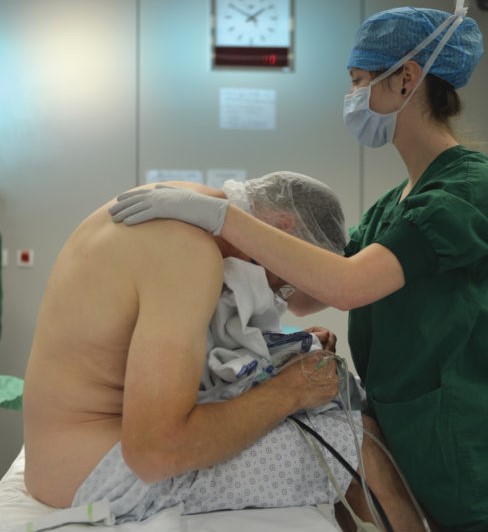
How do epidurals work?
An epidural is regional analgesia used to relieve pain during labor. An anesthesia provider (Anesthesiologist & Certified Registered Nurse Anesthetist) places a small catheter into the epidural space in the lower back. Local anesthetics, often combined with opioids, reduce pain signals traveling through spinal nerves. Pain relief usually begins within 10-20 minutes.

Effectiveness and benefits
- Epidurals are among the most effective methods of labor pain relief
- They can improve maternal comfort and satisfaction with pain management
- They allow the mother to remain awake and participate in childbirth
- Epidual use does not independently increase cesarean delivery risk
- Epidurals can be associated with a longer second stage of labor
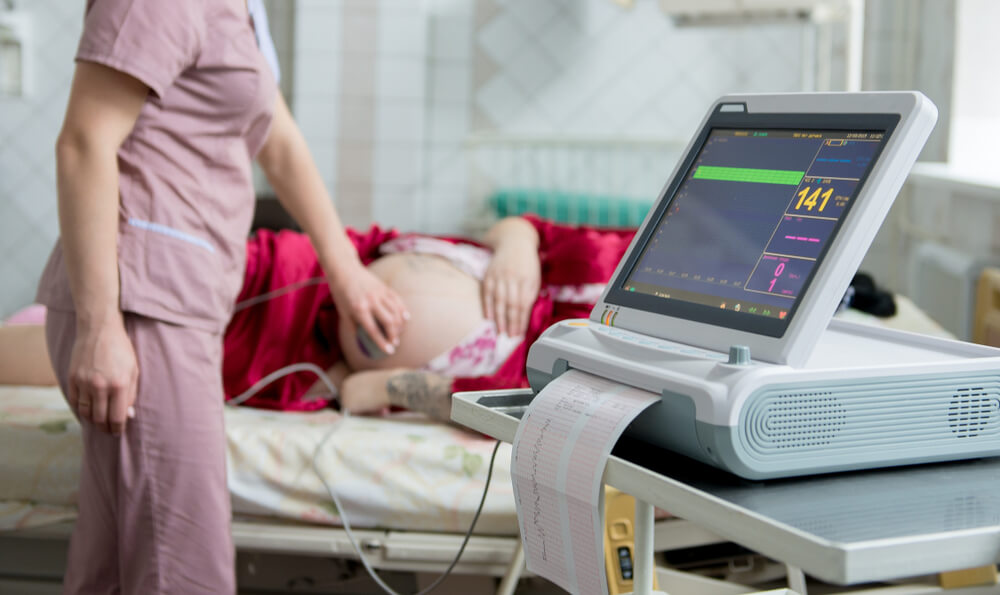
Risk and complications
- Maternal hypotension
- Urinary retention
- Itching, nausea, shivering
- fever and headache
- Cardiovascular effects
- Reduced mobility and increased fall risk

Nursing Assessments
- Assess baseline Blood pressure, Heart rate, respiratory, oxygen saturation, pain score, and fetal heart rate
- Review platelet count, bleeding risks, anticoagulant use, allergies, and relevant history.
- Confirm informed consent with anesthesia provider and assist with positioning
- Establish and assess IV access
- Monitor maternal BP, HR, RR, oxygen saturation as indicated, and fetal heart rate.
- Assess pain relief, sensory and motor block, and ability to move legs.
- Monitor for hypotension, respiratory depression, Urinary retention, and changes in fetal heart rate
- Maintain fall precautions, assist with repositioning, and monitor bladder function
The highest priority is preventing and managing hypotension, as its the most common complication and can compromise placental perfusion in obstetric patients.
Fiscal responsibility
Epidural analgesia requires additional resources, including anesthesia personnel, medications, equipment, and ongoing monitoring. Nurses play an important role in preventing complications that could increase hospital costs. Babazade et al. (2023) found that using pressure-sensing technology during epidural placement could save approximately $504 per hospital stay compared with traditional placement techniques. These savings were associated with fewer epidural replacements and post-dural-puncture headaches. This demonstrates how safe and effective epidural management may improve patient outcomes while reducing unnecessary healthcare expenses.
How nurses promote fiscal responsibility: Nurses help reduce preventable costs through early identification of complications, appropriate monitoring, timely communication with anesthesia providers, and preventing falls or other injuries. Effective pain management and informed patient choice can also improve the quality of care.
Connection to PICOT:Epidurals provide effective pain control and may improve patient satisfaction without independently increasing cesarean risk. However, they can influence labor duration and require additional resources, making safety monitoring and cost-conscious care important.